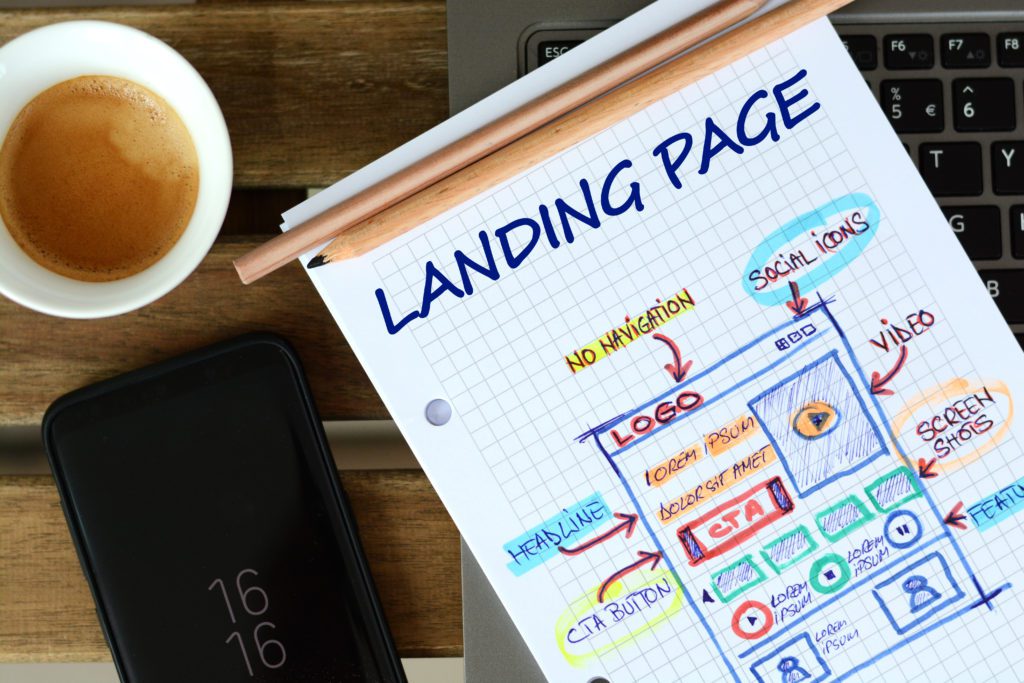
Notepad featuring schematics for building a high converting landing page

How To Build a Lead Generation Landing Page

Every successful business knows that leads are the fuel that keeps growth moving. But not all leads are created equal – and not all websites are designed to capture them effectively. That’s where a lead generation landing page comes in.

A well-built landing page can transform prospective customers into qualified leads, guiding them step by step into your sales funnel. Whether you’re promoting a product demo, offering a free resource, or capturing sign-ups for future follow-up, the right design and landing page copy can dramatically improve your results.

In this guide, we’ll walk through the elements that make up a high converting landing page, explore proven lead generation strategies, and show how to turn cold traffic into warm leads who trust your brand and are ready to buy.

What Is a Lead Generation Landing Page?

A lead generation landing page is a dedicated web page built to capture a visitor’s contact information, such as their name, phone number, or email address, in exchange for something valuable – like an e-book, guide, or case study.

Unlike your homepage, which may contain multiple links and navigation options, a lead generation landing page focuses on one clear goal: getting visitors to take a specific action. This is typically done through a single call-to-action (CTA), such as filling out a form or downloading a resource.

Think of your landing page as the first step in your sales process – it helps start the conversation. Once you collect that email address, you can nurture the relationship through lead generation content such as blog posts, newsletters, or exclusive offers.

Why Landing Pages Are Essential for Lead Generation

If you’re running ad campaigns or social media promotions, sending people to your homepage can waste valuable clicks. Visitors often get distracted or confused about where to go next.

A converting landing page, however, removes distractions and gives one clear call to action (CTA) – making it easy for visitors to know exactly what to do.

Here’s why landing pages work so well for lead generation strategies:

  • Focus: One goal, one message, one next step.
  • Simplicity: Fewer distractions keep people focused on your offer.
  • Trust: Well-designed pages with testimonials and visuals build credibility.
  • Relevance: Visitors arrive after seeing your ad or lead magnet, and the page continues that same conversation.

Whether you’re a small business or an enterprise-level brand, an optimized lead generation landing page helps you capture qualified leads that your sales team can turn into paying customers.

The Psychology Behind a High Converting Landing Page

A high converting landing page doesn’t just look good – it’s built on human psychology. People take action when they feel trust, curiosity, and clarity.

  1. Build Trust Early: Use testimonials, case studies, and clear contact details to show your business is credible.
  2. Create Curiosity: Use engaging headlines that highlight benefits or solutions.
  3. Provide Clarity: A strong CTA button shows exactly what to do next, like “Get My Free Guide” or “Book a Demo.”

When you combine these principles with clean design and persuasive landing page copy, you create a dynamic landing page that keeps visitors engaged and increases the chance of conversion.

Key Elements of an Effective Lead Generation Landing Page

1. Compelling Title

Your title is the first thing a visitor sees – and it should grab attention instantly. It should clearly explain the value of your offer or the problem you’re solving.

For example:

  • “Transform Your Sales Funnel with This Free Guide”
  • “Unlock 10 Proven Strategies for Generating High-Quality Leads”

Keep it short, powerful, and focused on the benefit.

2. Subheadings That Support the Message

If your landing page includes multiple sections or scrolls vertically, subheadings help break up the text and keep readers engaged. Each subheading should reinforce your main idea, building anticipation for your call to action (CTA).

Think of them as mini-promises that lead visitors toward conversion.

3. Clear and Persuasive Landing Page Copy

Your landing page copy should speak directly to your prospective customers – not just describe your product or service. Focus on benefits over features and write in a conversational tone.

Use short sentences, bullet points, and action verbs. Avoid jargon and make your offer sound easy to understand.

Example:

“Get access to proven templates that help small businesses grow their email list, attract warm leads, and shorten their sales cycle.”

Good copy reassures visitors that your offer is valuable, risk-free, and designed to help them succeed.

4. Visuals That Capture Attention

Adding images, graphics, or video enhances engagement and creates a dynamic landing page. People process visuals faster than text, so show what your offer delivers.

  • Use images of real customers or your team to build authenticity.
  • Add explainer videos or product demo clips that show your solution in action.
  • Keep visuals consistent with your brand identity.

When paired with well-written landing page copy, visuals help visitors feel emotionally connected to your offer.

5. A Strong Call to Action (CTA)

The call to action (CTA) is the most important element of your page – it’s what converts visitors into leads.

Your CTA button should stand out visually and use action-oriented language. Make it specific, not generic.

Examples:

  • “Download My Free Guide”
  • “Join the Waitlist”
  • “Get My Custom Quote”
  • “Start Your Free Trial”

Repeat your CTA several times throughout the page, especially near the top and bottom. Every piece of lead generation content should naturally lead the visitor to this action.

6. A Simple, User-Friendly Form

The form is where you capture the contact information that fuels your sales funnel. Keep it short – only ask for what you need, such as name and email address.

Long forms can discourage sign-ups, while shorter ones improve conversion rates. If your sales reps need more details later, they can qualify leads during the sales process.

Pro Tip: Add a short privacy statement under the form to reassure users their information will be kept secure.

7. Testimonials and Social Proof

People trust people, not websites. Adding testimonials or case studies shows real-world success stories and builds confidence.

For example:

“After using this system, our sales team doubled its number of qualified leads in just 60 days!”

Video testimonials work even better because they create a personal connection. Show real clients explaining how your generation strategy helped them succeed.

8. Lead Magnets and Incentives

To convince visitors to share their email address, offer something of genuine value in return. This could be a downloadable guide, free consultation, or exclusive webinar – known as a lead magnet.

Types of content that make strong lead magnets include:

  • E-books and case studies
  • Templates or checklists
  • Free training videos
  • Research summaries or blog posts

The key is to ensure the magnet directly relates to your sales funnel and helps solve a problem your audience faces.

9. Building Trust Through Transparency

Building trust is vital for any lead generation landing page. Visitors are more likely to share personal details when they feel confident about your credibility.

To strengthen trust:

  • Display contact details like a business phone number or office address.
  • Use professional branding and consistent visuals.
  • Include recognizable logos if you’ve been featured in press or partnered with other brands.
  • Avoid exaggerated claims or misleading offers.

Trust leads to action – and action fills your sales funnel with better prospects.

10. Optimize and Test Everything

No high converting landing page is perfect the first time. Test, analyze, and improve continually.

Perform A/B testing on key elements such as headlines, visuals, CTA buttons, and form fields to see what resonates most with your audience.

You can also track which types of content and ad campaigns bring in the most engaged leads. For example, a case study might convert better than a checklist for one audience, while a product demo might perform better for another.

Data helps refine your generation strategy so that every visitor who lands on your page is more likely to convert.

From Cold Leads to Warm Leads

Your landing page is the gateway to your sales funnel – but what happens next? Once visitors sign up, they move from cold to warm leads through consistent follow-up and valuable communication.

Use email marketing to nurture those leads. Send educational blog posts, relevant offers, and personalized messages. The goal is to keep your brand top of mind until they’re ready to buy.

As your sales team continues the sales cycle, this early nurturing ensures that every prospect entering your funnel is already familiar with your value and ready to engage.

Connecting Your Landing Page to the Sales Process

The handoff between marketing and sales can make or break conversions. Once someone fills out your form, ensure their information flows seamlessly to your sales reps.

Here’s how:

  • Sync your landing page with your CRM or email list system.
  • Set up automated notifications for your sales team when new leads come in.
  • Create tags or segments to identify which lead magnet they downloaded.

This process ensures your reps can follow up promptly with relevant, personalized outreach – keeping the momentum alive and shortening the sales cycle.

Practical Example: A Case Study

Let’s say a landscaping company launches a new lead generation landing page offering a free “Outdoor Design Starter Guide.”

Results After 30 Days:

  • 2,500 visits from targeted ad campaigns
  • 340 form submissions (13.6% conversion rate)
  • 210 qualified leads passed to the sales team
  • 35 booked consultations – each worth thousands in potential revenue

The key? A focused landing page copy, clear CTA button, and trust-building testimonials. This example proves how a single well-designed page can directly increase leads, shorten the sales process, and grow revenue fast.

Optimize and Test Everything

No high converting landing page is perfect the first time. Test, analyze, and improve continually.

Perform A/B testing on key elements such as headlines, visuals, CTA buttons, and form fields to see what resonates most with your audience.

You can also track which types of content and ad campaigns bring in the most engaged leads. For example, a case study might convert better than a checklist for one audience, while a product demo might perform better for another.

Data helps refine your generation strategy so that every visitor who lands on your page is more likely to convert.

If you’re looking for inspiration or guidance on how to write more persuasive copy that converts, explore our free E-book: Landing Page Persuasion Prompts.

This guide includes proven messaging frameworks, psychological triggers, and examples that help you write copy that keeps readers engaged and motivates them to take action.

Learn More with Our Free Marketing E-Books

If you want to continue improving your lead generation strategies, check out Inbound Lever’s educational E-books—built specifically for service-based and home improvement professionals.

These guides show how to optimize every stage of your sales funnel, create lead generation content that converts, and build dynamic landing pages that attract the right audience.

Here’s what you’ll find:

  • The First Time Ad Test Setup – How to launch your first ad campaign successfully.
  • Paid Advertising Optimization – Strategies to improve ROI and reduce costs.
  • Landing Page Persuasion Prompts – Tips for writing irresistible landing page copy that converts.
  • Categories of Prompts – Creative content ideas for every product or service.
  • ROI-Focused Advertising Optimization – Track performance in real time and improve results.
  • Effective Ad Copy Prompts – Learn how to craft headlines and CTAs that convert.

Each resource helps you refine your generation strategy and master the skills needed to create high converting landing pages that consistently bring in qualified leads.

Let’s Get to Work

Whether you need a website revamp, a high-impact ad campaign, or a marketing strategy that works, we’re here to help.

SOCIAL MEDIA